Humane Wasp Nest Removal Guide for Wakefield Residents: Professional Safe Removal Techniques
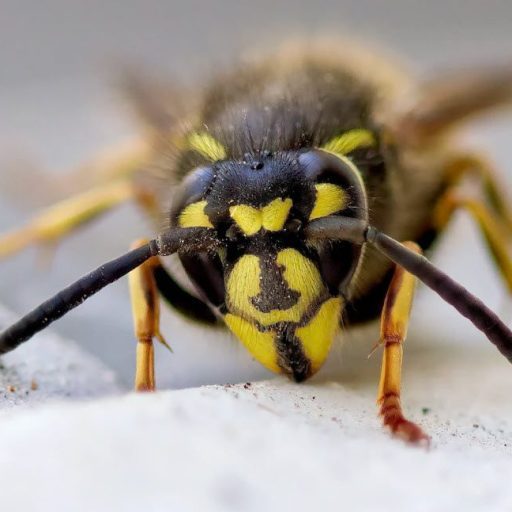
Wasp nest encounters are common occurrences across Wakefield and South Yorkshire, particularly during the warmer months from May through October. While many homeowners instinctively reach for chemical sprays or call for immediate extermination, humane removal techniques offer effective solutions that respect these important pollinators while ensuring human safety. Understanding proper assessment, removal techniques, and post-removal care creates positive outcomes for both residents and wasp populations.
Wasps play crucial ecological roles in Yorkshire’s ecosystems, controlling pest populations and contributing to pollination activities. The common wasp (Vespula vulgaris) and German wasp (Vespula germanica) are the most frequently encountered species in Wakefield, typically establishing nests in protected locations including wall cavities, roof spaces, garden sheds, and underground burrows.
Understanding Wasp Behaviour and Nest Development
Wasp colonies follow predictable seasonal patterns that influence removal strategies and timing. Queens emerge from winter hibernation in April and May, establishing new colonies in suitable locations. Initial nests remain small through early summer, containing only the queen and first generation of workers. Peak colony size occurs in August and September when populations can reach several thousand individuals.
Understanding this lifecycle proves essential for humane removal planning. Early season interventions require less complex procedures and pose minimal risk to both humans and wasps. Late season removals present greater challenges due to increased colony populations and heightened defensive behaviours.
1. Assessment: Comprehensive Nest Evaluation
Thorough assessment forms the foundation of successful humane wasp nest removal. Proper evaluation determines appropriate removal techniques, timing, and safety requirements while identifying potential complications before beginning removal procedures.
Visual Nest Assessment
Begin assessment from a safe distance of at least 3-4 metres, using binoculars if necessary to observe nest details without triggering defensive responses. Document nest size, which typically ranges from golf ball dimensions in early summer to football size or larger by late season. Note the nest entrance location and count visible openings, as some species create multiple access points.
Observe the nest material composition to identify wasp species. Common and German wasps create paper-like nests from chewed wood pulp, appearing grey or brown with distinctive striped patterns. These nests feel papery and lightweight compared to hornets’ nests, which appear more robust and yellowish-brown.
Location Analysis
Assess the nest’s accessibility and surrounding environment carefully. Wall cavity nests require different approaches than exposed garden shed installations. Note proximity to high-traffic areas, children’s play spaces, and pet access routes to determine urgency levels and safety considerations.
Evaluate structural considerations including nest attachment methods and potential property damage from removal procedures. Some nests integrate deeply into wall cavities or roof spaces, requiring careful extraction to prevent structural damage.
Activity Pattern Observation
Monitor wasp activity patterns over 24-48 hours to understand colony size and behaviour patterns. Peak activity occurs during midday hours when foraging reaches maximum intensity. Early morning and evening observations reveal quieter periods suitable for removal activities.
Count wasps entering and exiting the nest during peak activity periods. Small colonies show 10-20 wasps per hour, while large established colonies may demonstrate 100+ wasps per hour during peak foraging times.
Environmental Factors
Consider weather conditions affecting removal timing. Overcast, cool days reduce wasp activity and create safer working conditions. Avoid removal during hot, sunny weather when wasp aggression increases significantly. Rain periods force wasps inside nests, making removal more challenging but potentially safer for outdoor work.
Assess nearby flowering plants and food sources that may attract wasps post-removal. Understanding local attractants helps prevent re-establishment in the same location.
2. Humane Techniques: Ethical Removal Methods
Humane wasp nest removal prioritizes non-lethal techniques that allow colonies to relocate naturally while ensuring human safety. These methods require patience and understanding of wasp behaviour but create positive outcomes for both parties.
Timing Considerations for Humane Removal
Early morning hours between 6:00-8:00 AM provide optimal removal conditions when wasp activity reaches daily minimums. Cool morning temperatures slow wasp movements and reduce aggressive responses to disturbances. Avoid removal during late afternoon and evening hours when returning foragers increase nest activity.
Late season removals (September-October) require special consideration as colonies prepare for winter dormancy. During this period, focus on prevention and sealing techniques rather than active removal, as nests will naturally die off with first hard frosts.
Relocation Techniques
For accessible nests in non-structural locations, careful relocation provides the most humane solution. Prepare the new location at least 3 kilometres from the original site to prevent return behaviours. Choose sheltered locations with similar environmental conditions including shade patterns and protection from weather.
Use large cardboard boxes or purpose-built wasp relocation containers to transport nests safely. Work slowly and deliberately to avoid sudden movements that trigger defensive responses. Seal containers carefully but ensure adequate ventilation during transport periods.
Exclusion and Deterrent Methods
Install physical barriers around nest entrances using fine mesh or cloth materials, allowing wasps to exit but preventing re-entry. This technique encourages natural abandonment over 7-14 days as foraging wasps establish alternative nesting sites.
Apply natural deterrents including peppermint oil, citrus peels, or commercial wasp repellent around nest areas. These substances create unpleasant conditions encouraging voluntary relocation without harming the colony.
Professional Humane Removal Equipment
Invest in quality protective equipment including full bee suits with attached veils, leather gloves extending to mid-forearm, and closed-toe boots with ankle protection. Proper protection enables confident movement and reduces accidental aggressive encounters.
Use smokers containing natural materials like dried lavender or sage to calm wasps during removal procedures. Light smoke confuses wasp communication systems and reduces aggressive responses without causing permanent harm.
Gradual Displacement Techniques
For established nests requiring immediate attention, implement gradual displacement over several days. Begin by partially blocking nest entrances, forcing wasps to find alternative access routes. Gradually increase restrictions until wasps abandon the location naturally.
Combine displacement with alternative nesting site preparation, providing suitable locations nearby where colonies can re-establish successfully. This approach respects wasp housing needs while addressing human safety concerns.
3. Safety Precautions: Protection for Humans and Wasps
Safety considerations protect both human health and wasp welfare during removal procedures. Proper precautions prevent defensive stinging incidents while minimizing stress and harm to wasp colonies.
Personal Protective Equipment Requirements
Comprehensive protection includes full-body coverage with thick fabric or specialized pest control suits. Ensure all clothing fits snugly at wrists, ankles, and neck to prevent wasp entry. Light-coloured clothing reduces perceived threat levels, as wasps respond more aggressively to dark colours that resemble natural predators.
Protect respiratory systems with appropriate masks or respirators, particularly important for individuals with respiratory conditions or allergies. Eye protection requires full-face shields or safety glasses with side protection to prevent accidental contact.
Medical Preparation and Emergency Planning
Identify individuals with known wasp allergies and ensure appropriate medical preparations including epinephrine auto-injectors and emergency contact information. Establish clear evacuation routes and emergency procedures before beginning removal activities.
Maintain first aid supplies specifically for stinging incidents including antihistamines, ice packs, and pain relief medications. Know locations of nearest medical facilities and emergency services contact information.
Environmental Safety Measures
Secure the work area by removing children, pets, and other non-essential individuals from the vicinity. Establish safety perimeters of at least 10 metres around nest locations, clearly marking boundaries with temporary fencing or warning signs.
Remove outdoor food sources and sweet beverages that may attract additional wasps to the work area. Cover garbage containers and clean outdoor eating areas to minimize competing attractions during removal procedures.
Communication and Coordination
Inform neighbours about planned removal activities, particularly those with young children or individuals with known allergies. Provide estimated timeframes and safety recommendations for adjacent properties.
Coordinate with local wildlife groups or beekeeping associations that may assist with humane removal or provide alternative housing for relocated colonies. Many Yorkshire beekeeping groups offer wasp relocation services during peak season.
Protective Measures for Wasps
Minimize stress on wasp colonies by working during low-activity periods and avoiding sudden movements or loud noises. Use gentle techniques that avoid damaging nest structures unnecessarily.
Avoid using chemical deterrents or sprays that may harm wasps or contaminate their environment. Focus on physical and natural methods that encourage relocation without causing direct harm to individuals or colonies.
4. Post-Removal Care: Ensuring Long-term Safety
Effective post-removal procedures prevent re-establishment while maintaining safe environments for both humans and future wasp populations. Proper follow-up care addresses immediate safety concerns and implements long-term prevention strategies.
Immediate Area Cleaning and Sanitization
Remove all nest debris and organic material from the removal site to eliminate pheromone markers that may attract future colonies. Wasp nests contain chemical signals that can persist for months, encouraging re-establishment in the same location.
Clean surrounding surfaces with mild soap solutions to remove pheromone traces and organic residues. Avoid using strong chemical cleaners that may leave residues harmful to beneficial insects or pets.
Structural Repairs and Sealing
Address entry points and structural vulnerabilities that allowed initial nest establishment. Seal cracks in walls, repair damaged roof tiles, and install screening over vents and openings that may provide future nesting opportunities.
Use appropriate materials including expanding foam, caulk, or wire mesh depending on the specific location and access requirements. Ensure repairs maintain building ventilation and functionality while preventing pest access.
Monitoring and Follow-up Procedures
Establish regular monitoring schedules to detect early signs of re-establishment or new colony formation in nearby locations. Weekly inspections during peak wasp season (June-September) allow early intervention before problems develop.
Document removal success and any ongoing concerns in detailed records for future reference. This information helps identify patterns and improve future removal strategies.
Environmental Restoration
Consider environmental factors that may have attracted the original nest and implement modifications to reduce future attractiveness. This may include relocating compost bins, securing garbage containers, or removing fallen fruit from garden areas.
Plant wasp-deterrent vegetation including mint, thyme, or citronella in areas where nests were removed. These plants provide natural deterrent effects while supporting beneficial garden ecosystems.
Prevention Strategy Implementation
Develop comprehensive prevention plans addressing identified vulnerabilities and risk factors. This includes seasonal maintenance schedules, early detection protocols, and rapid response procedures for future wasp encounters.
Coordinate with neighbours to implement area-wide prevention strategies, as wasp colonies often establish in clusters within suitable neighbourhoods. Community-wide prevention proves more effective than individual property efforts.
Professional Follow-up Considerations
Schedule professional inspections for complex removals or high-risk locations to ensure complete success and identify any remaining concerns. Professional services can provide specialized equipment and expertise for challenging situations.
Maintain contact information for humane pest control specialists and local wildlife groups that can provide assistance or advice for future encounters.
Seasonal Considerations for Yorkshire Climate
Wakefield’s temperate climate creates distinct seasonal patterns in wasp behaviour requiring adjusted removal strategies. Spring emergence typically begins in April when queens seek nesting sites after winter hibernation. Early intervention during this period prevents colony establishment with minimal intervention.
Summer peak activity from July through September requires heightened caution and more comprehensive removal techniques. Late summer colonies reach maximum size and defensive capability, making professional assistance advisable for inexperienced individuals.
Autumn preparation focuses on prevention and sealing activities as existing colonies naturally decline with cooling temperatures. October through March periods offer opportunities for structural improvements and prevention planning without active wasp concerns.
Conclusion: Balancing Human Safety with Environmental Responsibility
Humane wasp nest removal represents a balanced approach respecting both human safety requirements and environmental conservation principles. Success requires patience, proper preparation, and understanding of wasp behaviour patterns combined with appropriate safety measures and follow-up care.
The techniques outlined in this guide provide Wakefield residents with effective tools for managing wasp encounters while supporting local ecosystem health. Remember that professional assistance remains available for complex situations or when personal safety concerns exceed individual comfort levels.
By implementing these humane removal techniques, residents contribute to maintaining Yorkshire’s biodiversity while ensuring safe, comfortable living environments. The investment in proper techniques and equipment pays dividends through reduced future problems and positive environmental outcomes that benefit the entire Wakefield community.
Comments are closed